

How Should Mobility Brands Demonstrate Vehicles in Dubai?

A mobility brand should design a Dubai vehicle demonstration around a buyer task, an accessible physical route, and a claim that can be verified after the event. Start with what a guest must learn or decide, then work backwards to the vehicle, safety plan, operating permissions, and follow up. A polished reveal without a usable demonstration may create attention but leaves procurement teams with little evidence.
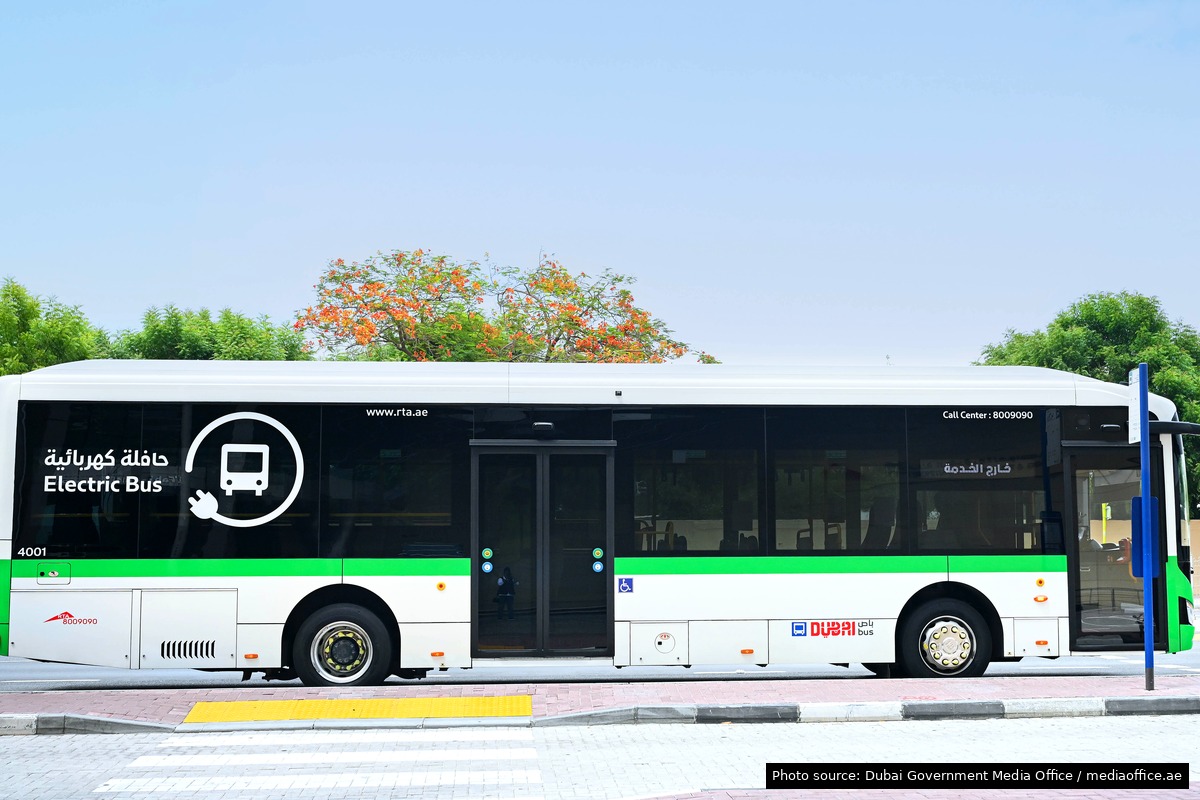
• Dubai Bus branding on an electric bus makes the transport operator identifiable in the official Dubai Government Media Office photograph, but the photograph is not evidence of any SNXS involvement.
• Dubai's Roads and Transport Authority says EV World 2026 is planned at Dubai World Trade Centre, making operational mobility demonstrations a timely buyer planning question.
• The RTA announcement describes charging, infrastructure, vehicles, and smart systems as distinct parts of the electric mobility ecosystem, not interchangeable exhibition props.
• Dubai World Trade Centre publishes a live events calendar, so venue dates and access requirements should be checked against current official information before a brief is finalised.
• MENA Blockchain Week has an official post event report; its value here is a reminder to define what can be documented after an event, not a claim that it ran this mobility programme.
In This Article
1. A Vehicle Demonstration Begins With a Buyer Decision
2. Dubai Vehicle Event Production Needs an Operational Brief
3. Evidence and Follow Up Turn Spectators Into Buyers
4. What This Means for Your Brand
A Vehicle Demonstration Begins With a Buyer Decision
A brand that puts a vehicle in a hall should be able to complete a simple sentence before discussing lighting or a stage reveal.
After the encounter, the visitor should be able to decide whether the product fits a specific operating condition, and should know what evidence would be needed to test that fit. This is a different objective from collecting photographs of the stand. If the buyer is a fleet operator, the decision may concern duty cycle and maintenance access. If the buyer is a municipality, the decision may concern accessibility, integration, and the path to an authorised trial.
The Dubai Government Media Office announcement describes EV World 2026 as an inaugural electric vehicle exhibition and conference planned for Dubai World Trade Centre. It also describes a broader ecosystem spanning vehicles, charging, infrastructure, and operations. Those are the authority's descriptions of its own planned event, not confirmed results from a completed edition. For exhibitors, the distinction matters: a vehicle can be shown as an object, but a buyer is usually evaluating a service system.
Use a decision sheet rather than a list of visual effects.
Name the primary audience, the operational question they bring, the action they can take in the space, and the source that supports the answer.
A bus operations team should be able to inspect passenger flow and maintenance interfaces. A charging infrastructure buyer should be able to distinguish an actual working demonstration from a static replica. A finance stakeholder may need a documented deployment pathway instead of a dramatic product claim. Different people can see the same vehicle, but they do not leave with the same question.
1. Define the decision. Write one buyer question for each important audience and identify which part of the demonstration will answer it. The question should concern use, integration, or a next step, not a slogan.
2. Show the boundary. Label what the guest sees as operational equipment, a controlled prototype, a simulation, or a static display. Never allow the visual treatment to imply a capability that has not been demonstrated.
3. Assign the evidence owner. The product team should approve technical claims, the venue team should approve what can happen on site, and the communications owner should approve the wording guests will take away. An agency can coordinate these approvals but should not invent them.
Dubai Vehicle Event Production Needs an Operational Brief
A venue drawing is not an operating plan. Before a mobility team chooses its exhibit footprint, it should ask how the vehicle enters and exits, how guests approach it, where people wait, and who controls access if a component is energised or moving. Door clearances, floor protection, loading windows, power availability, insurance, and permitted demonstrations belong in the brief. Each is a question for the actual venue and qualified operators, not an assumption imported from a previous event.
The Dubai World Trade Centre live calendar is a starting point for checking venue activity.
It cannot replace a site specific approval or a signed technical plan. The RTA announcement identifies Dubai World Trade Centre as the planned venue for EV World 2026, but that does not make every proposed exhibitor demonstration automatically permissible. Ask the venue for the current event manual, contractor rules, loading route, electrical limits, and signoff sequence. Record the version and the person who approved each exception.
The RTA electric bus operations account describes inspection and trials for Dubai routes. It is an older example of testing discipline, not a current performance benchmark. Verify any technical figure against the specific vehicle and current approved documentation.
4. Walk the real route. Follow the vehicle, contractor, visitor, and emergency paths from arrival through strike. Ask the venue to validate the version that the production team will actually use.
5. Rehearse a failed demonstration. Decide who pauses the activity if equipment is unavailable, if a guest cannot access the route, or if the claim owner is absent. A static explanation with a clear limitation is safer than presenting a simulation as a live result.
Evidence and Follow Up Turn Spectators Into Buyers
The RTA announcement frames electric mobility as a system involving infrastructure, technology, energy, and operational partnerships.
An exhibitor need not replicate that entire system in one stand.
It should show where its product fits, which dependencies it controls, and which dependencies a buyer must discuss with others. A vehicle maker might need to introduce a fleet engineering team. An infrastructure supplier might need to make a site assessment the next action. A public sector guest might need a route to a formal procurement or pilot process.
SNXS works across event management services and strategic communications, so a vehicle showcase brief should connect event production to content governance and the subsequent buyer conversation. A useful comparison is the corporate event lead time guide, which addresses planning dependencies before a venue is locked. The technology unveiling guide discusses how a reveal can be separated from the evidence that follows it. These are adjacent planning questions; neither is a substitute for a site specific mobility safety assessment.
6. Write the follow up before opening. Draft a response for an operational enquiry, a policy enquiry, and an accessibility question. Leave room for a qualified expert to correct or decline a claim rather than pushing every response through generic marketing copy.
What This Means for Your Brand
Treat the vehicle as an entry point to a decision, not the whole event.
In Dubai, a buyer may already understand that the transport sector is changing. They need to see how a specific product would be evaluated under real constraints. The agency's job is to choreograph the encounter without taking ownership of technical claims it cannot substantiate. That means the proposal should specify the visitor journey, the approval chain, and the evidence that can be handed to a buyer after the event.
The official MENA Blockchain Week post event report provides an example of how a named programme can publish an evidence trail after an event. MENA Blockchain Week is a SkyNet X Solutions initiative and SNXS is its organiser, but this mobility discussion does not imply that the programme, Dubai Bus, RTA, or EV World has engaged SNXS. Use the comparison for its editorial lesson: agree before the event which claims, interviews, and attendee outcomes can later be documented and attributed. Never retrofit a success story from photographs alone.
If your team is preparing a vehicle, mobility infrastructure, or fleet technology experience, start with the buyer question and a qualified operating plan. Then ask an event partner to map the story, venue approvals, guest flow, content owner, and follow up against that plan. The next productive meeting is a brief review, not a discussion of stage effects. Book a consultation with SNXS to examine the brief and identify what needs technical or venue confirmation before production.
FAQ
Q: What should an electric vehicle event brief include before an agency quotes?
A: Include the buyer audience, vehicle dimensions and status, planned guest action, venue, access needs, technical dependencies, and claim owners. Identify which activities are live, simulated, or static so the agency can scope approvals rather than guessing.
Q: Can a Dubai event agency approve a live charging demonstration?
A: An agency can coordinate the request, but venue and qualified technical authorities decide what is permitted and safe. The brand should obtain current site rules and equipment signoffs before describing a live activity as confirmed.
Q: How do you show vehicle performance without making unsupported claims?
A: Demonstrate a verifiable feature within the approved conditions and link the explanation to current, configuration specific documentation. If the test conditions do not match the show environment, say so plainly and offer a later technical conversation.
Q: What makes an electric mobility stand accessible to all buyers?
A: Design a clear approach and an equivalent explanation for guests who cannot board or stand near the vehicle. Test the physical route with the venue and give staff an accessible way to present the central claim.
Q: How should a mobility exhibitor qualify follow up after a trade show?
A: Record the visitor's decision role and the question they asked with consent, then assign a named expert to deliver the promised evidence. Keep press, education, operations, and procurement enquiries separate so no one receives a generic sales sequence.
Q: Does the Dubai Bus photograph show an EV World exhibit or an SNXS project?
A: No. The official press photograph shows a branded Dubai Bus electric vehicle associated with a government announcement. It does not document an exhibition installation or an SNXS assignment.
Need help turning industry trends into business growth?
Get in touch!
At SNXS, we help startups, enterprises, and government organizations navigate AI, blockchain, Web3, fintech, and digital transformation through strategic consulting, event management, marketing, PR, content, and community building.
Whether you're launching a product, expanding into the MENA region, building your brand, or growing your community, our team is ready to help.
👉 Our Services: https://www.snxs.ae/services
👉 Portfolio: https://www.snxs.ae/portfolio
👉 Store & Digital Products: https://www.snxs.ae/category/all-products
👉 What's Coming Next – MENA AI Week: https://www.menaaiweek.ae/
👉 Business Registration Services: https://www.snxs.ae/business-registration
👉 Request a Quote: https://www.snxs.ae/get-a-quote
👉 Book a Free Consultation: https://www.snxs.ae/book-online
🌐 Visit SNXS: https://www.snxs.ae
Photo source: Dubai Government Media Office mediaoffice.ae


Comments