

Women in Web3: Why Female Participation Is Critical for the Future of the Decentralized Internet
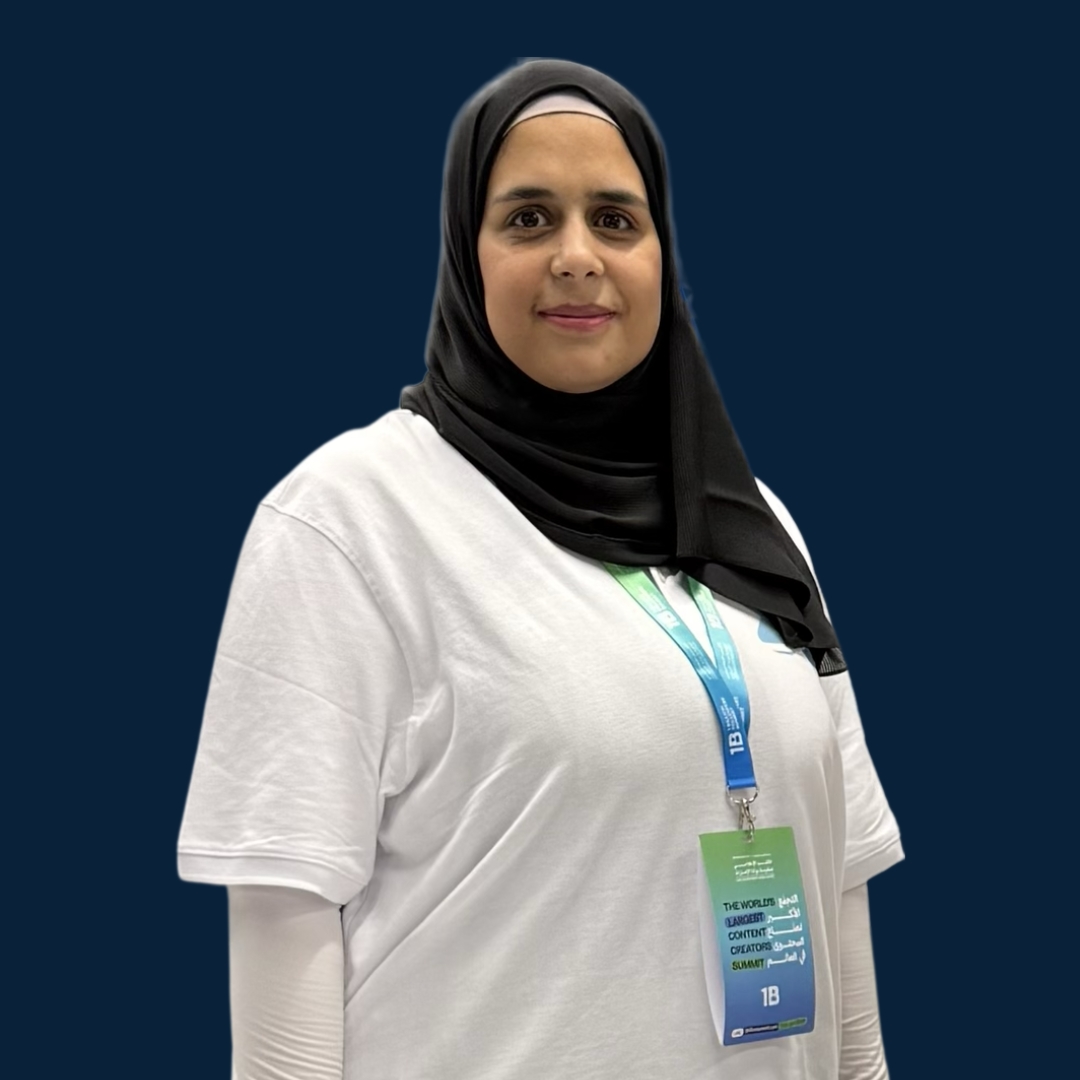
How women are driving innovation in blockchain, decentralized finance, and the future digital economy.

Over the past few years, Web3 has emerged as one of the most transformative technological movements of the digital era. Built on blockchain, decentralized finance, and distributed digital ownership, Web3 promises to redefine how individuals interact with the internet, manage data, and participate in global economies. However, despite the revolutionary nature of this technology, the Web3 ecosystem still faces a significant gender imbalance.
Historically, the technology and finance industries have struggled with gender representation, and Web3 is no exception. Studies show that women represent a relatively small portion of the workforce within the blockchain and crypto industries. Yet, recent developments indicate that this landscape is slowly changing. Women are increasingly participating as founders, investors, developers, community leaders, and educators within the decentralized economy.
The growing involvement of women in Web3 is not only about gender equality. It is also about innovation, inclusivity, and the long-term sustainability of the decentralized internet. As Web3 continues to evolve, female participation is becoming an essential factor in shaping a more balanced and globally representative digital ecosystem.
Understanding Women in Web3 and Their Transformative Potential
Web3 refers to the next generation of the internet, where users gain greater ownership over their data, digital identities, and online assets. Unlike the current Web2 model dominated by centralized technology corporations, Web3 relies on decentralized technologies such as blockchain, smart contracts, and token-based economies.
This paradigm shift allows individuals to interact directly with digital services without relying on traditional intermediaries such as banks, tech companies, or financial institutions. Decentralized finance platforms, non-fungible tokens (NFTs), decentralized autonomous organizations (DAOs), and blockchain-based applications are all examples of this new digital infrastructure.
For women around the world, Web3 represents a unique opportunity to enter a rapidly growing sector with fewer institutional barriers than traditional industries. The decentralized nature of blockchain ecosystems allows talent, creativity, and community contribution to play a more significant role than hierarchical corporate structures.
As a result, Web3 is opening new pathways for women to build startups, lead projects, invest in digital assets, and contribute to technological innovation.
Current Representation of Women in Web3

Despite the opportunities presented by decentralized technologies, female representation in Web3 remains limited. Recent research indicates that women make up only a small percentage of blockchain developers and crypto startup founders. In many blockchain companies, women represent less than 15 percent of the workforce.
Funding disparities also remain a significant challenge. Data shows that blockchain startups founded solely by women receive only a fraction of venture capital investment compared to companies led by men. This gap reflects broader structural issues that exist across the technology and venture capital sectors.
However, there are signs of progress. In the crypto investment landscape, women are increasingly entering the market as digital asset holders and investors. Some studies suggest that women now account for nearly one-third of cryptocurrency investors globally, and this number continues to grow as digital financial literacy expands.
This trend demonstrates that while leadership representation may still be limited, women's participation in the Web3 economy is increasing rapidly.
The Challenges Women Face in the Web3 Industry
Although Web3 promotes openness and decentralization, women entering the space still face several barriers. One of the most significant challenges is access to capital. Venture capital networks within the crypto industry remain heavily male-dominated, making it more difficult for female founders to secure early-stage funding.
Another challenge lies in technical accessibility. Blockchain development and cryptography often require advanced technical knowledge, and historically, women have had less representation in STEM fields. This imbalance can limit the number of women entering technical roles within the Web3 ecosystem.
Community culture within some crypto spaces has also been criticized for being unwelcoming or exclusionary. Online forums, trading communities, and early crypto networks were largely built by male participants, which can sometimes discourage broader participation.
However, as the industry matures, many organizations and communities are actively working to change this dynamic by fostering more inclusive environments.
Global Initiatives Supporting Women in Web3

Recognizing the importance of diversity in emerging technologies, several global initiatives have been launched to empower women within the Web3 ecosystem. Educational programs, mentorship networks, and accelerator programs are helping women acquire the skills needed to enter blockchain-related careers.
Organizations focused on women in blockchain have created global communities where female professionals can connect, collaborate, and share resources. These networks provide access to mentorship, investment opportunities, and professional development programs that support women at every stage of their Web3 journey.
Technology companies have also launched initiatives aimed at increasing female participation in decentralized technologies. Some programs provide scholarships, training workshops, and funding opportunities specifically designed to encourage women to explore careers in blockchain development, digital finance, and Web3 entrepreneurship.
These initiatives are gradually helping to close the gender gap while building a stronger and more diverse digital economy.
Women Leaders Shaping the Web3 Revolution
Despite the challenges, many women have emerged as influential leaders in the Web3 space. Female entrepreneurs, developers, and investors are contributing to the growth of blockchain infrastructure, decentralized finance platforms, and NFT marketplaces.
Some women are leading blockchain startups that focus on financial inclusion, digital identity, and decentralized governance. Others are playing crucial roles in venture capital funds that support early-stage Web3 innovation. Their work is helping shape the next generation of digital services and decentralized applications.
In addition, women are increasingly becoming prominent voices within the global crypto community. Through conferences, online communities, and educational initiatives, female leaders are advocating for diversity, transparency, and responsible innovation in Web3.
Their contributions highlight the importance of diverse perspectives in building technologies that impact billions of people worldwide.
Why Gender Diversity Matters for the Future of Web3

The success of Web3 depends heavily on the diversity of the people building it. Technology developed by homogeneous groups often reflects narrow perspectives and may fail to address the needs of broader populations.
By including women in leadership, development, and investment roles, the Web3 ecosystem becomes more resilient, innovative, and globally relevant. Diverse teams tend to produce more creative solutions, identify overlooked opportunities, and design technologies that better serve a wide range of users.
Gender diversity also plays a key role in financial inclusion. In many regions of the world, women face limited access to banking services and traditional financial systems. Blockchain-based financial tools can provide alternative pathways for economic participation, allowing women to access digital wallets, decentralized lending platforms, and global marketplaces.
Encouraging women to participate in Web3, therefore, contributes not only to technological advancement but also to economic empowerment.
The Future of Women in Web3
Looking ahead, the role of women in Web3 is expected to expand significantly. As blockchain education becomes more accessible and decentralized technologies continue to evolve, more women will gain the skills needed to participate in the digital economy.
The growth of online learning platforms, coding bootcamps, and community-driven blockchain education programs is making it easier for women from diverse backgrounds to enter the industry. At the same time, venture capital firms and startup accelerators are increasingly recognizing the importance of supporting female founders.
Another factor driving female participation is the rise of decentralized communities. Web3 projects often rely on open global collaboration, allowing contributors from anywhere in the world to participate regardless of gender, nationality, or background.
As these ecosystems mature, they have the potential to create a more equitable technological landscape where women play a central role in shaping the future of the internet.
Building a More Inclusive Decentralized Internet
Web3 represents a profound shift in the way digital systems are built, governed, and experienced. However, the promise of decentralization cannot be fully realized without inclusivity and diversity.
Women are already beginning to make significant contributions to the Web3 ecosystem as entrepreneurs, investors, developers, and community leaders. Their growing presence signals a shift toward a more balanced and representative digital economy.
Encouraging female participation in Web3 is not simply a matter of fairness. It is a strategic necessity for innovation, sustainability, and global adoption of decentralized technologies.
As the decentralized internet continues to evolve, empowering women to participate, lead, and innovate will be essential in shaping a more inclusive and resilient digital future.


Comments